

Lights-Out Manufacturing in Injection Molding: What’s Realistic Today vs. the Hype
The idea of injection molding machines running around the clock with minimal human intervention is becoming increasingly realistic. But true lights-out manufacturing requires much more than adding a robot and turning off the lights.
Automation Is the Foundation
Successful unattended production requires the entire molding cell to work together – material drying and conveying, process control, robotic handling, inspection, cooling, secondary operations, packaging and quality monitoring.
The real challenge isn’t automating the normal cycle. It’s managing what happens when the normal cycle doesn’t happen.
A part sticks. Material stops conveying. Cooling flow changes. Resin viscosity varies. A cavity begins producing defects. Traditional automation can respond to predefined conditions, but real manufacturing problems aren’t always predictable.
AI Changes the Equation
Modern molding cells generate enormous amounts of data. AI creates the opportunity to analyze that information, identify patterns and potentially recognize developing problems before conventional alarms are triggered.
Instead of simply asking “What went wrong?”, manufacturers can increasingly ask: “What is likely to go wrong next?”
The next step is moving from prediction toward controlled autonomous correction – allowing intelligent systems to compensate for variation and process drift within clearly defined limits.
We’re already seeing this transition in technologies such as ARBURG’s GESTICA control system and its intelligent assistance and pilot functions. Newer features such as StabilityAssist can recognize parameter trends and provide early warning of developing process deviations.
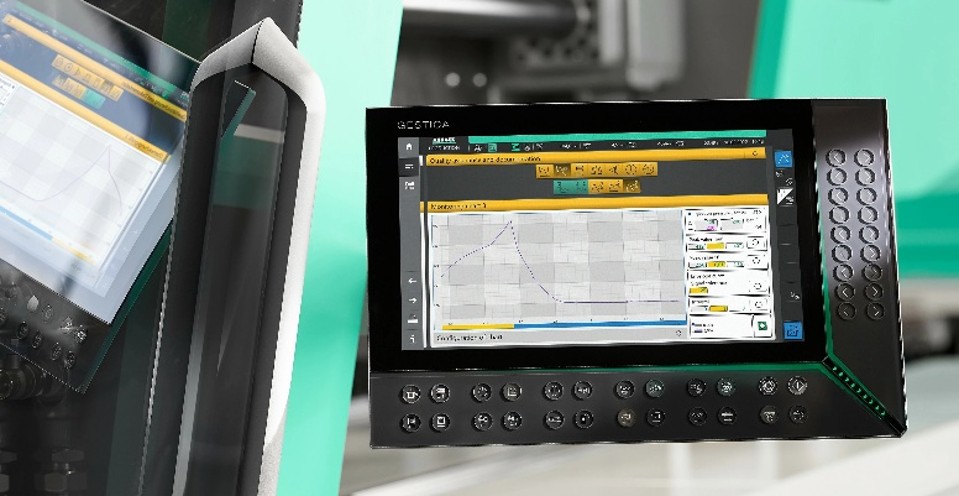
These technologies don’t make a molding cell autonomous overnight, but they demonstrate an important shift from simply controlling a process toward monitoring, adapting and increasingly anticipating what happens next.
From Operators to Exception Managers
Lights-out manufacturing doesn’t necessarily mean factories without people. Skilled technicians, maintenance specialists and automation engineers will remain essential.
What changes is when they need to become involved.
Rather than continuously monitoring individual machines, people could increasingly supervise multiple automated cells, stepping in when the system identifies an exception it cannot resolve.
How Close Are You to Lights-Out?
Lights-out doesn’t have to be an all-or-nothing objective. It may begin by eliminating just one manual intervention that prevents a cell from running unattended.
The Turner Group team can help identify those gaps and develop a practical roadmap toward greater manufacturing autonomy.
You may be closer to lights-out production than you think.
Interested in learning more? Contact the Turner Group team to start the conversation.